Homeowners planning a remodel in Greater Boston often begin by trying to understand the factors that influence their overall investment. From project scope and structural complexity to design decisions, finish levels, and local permitting requirements, there are many variables that shape a renovation budget.
The honest answer is that it depends. Remodeling costs vary widely based on scope, structural complexity, material selections, and the level of design detail involved. In the Greater Boston area, where construction standards, labor costs, and permitting requirements are among the highest in the country, investment levels tend to reflect both the quality of craftsmanship and the complexity of the work.
Lee Kimball's design-build process integrates architecture, interior design, and construction under one team. That coordination provides clarity early in the planning phase and helps align vision, budget, and feasibility before construction begins. Thoughtful design-build remodeling is not only about improving a home today, but creating long-term functionality, comfort, and value over time.
Table of Contents
What Impacts the Investment of a Design-Build Remodel in Greater Boston?
No two homes, or homeowners, are alike. However, there are consistent factors that influence the cost of a design-build home remodel in Greater Boston.
Scope of Work & Structural Changes
Cosmetic updates cost significantly less than structural transformations. Removing load-bearing walls, expanding footprints, adding square footage, or reconfiguring layouts requires engineering, permitting, and skilled labor. The more structural change involved, the higher the investment.
Square Footage & Layout Reconfiguration
Remodeling costs are not solely about size, but square footage does matter. Larger spaces require more materials, labor, and coordination. Additionally, relocating plumbing or electrical systems to improve layout efficiency increases complexity and cost.
Architectural & Historic Considerations
Many homes in Greater Boston are historic or located in established neighborhoods with architectural character. Matching existing details, preserving structural integrity, and navigating local review boards can add both time and planning complexity, but they also protect long-term value.
Material Selections & Level of Finish
Custom cabinetry, premium appliances, natural stone, high-performance windows, specialty lighting, and detailed millwork all influence budget. Thoughtful interior design enhances cohesion and quality, but material choices play a major role in final investment.
Labor & Construction Environment in Massachusetts
Massachusetts consistently ranks among the highest-cost construction markets in the country. Skilled tradespeople, permitting processes, insurance requirements, and regulatory standards contribute to higher baseline costs compared to many other regions.
Integrated Interior Design
In a design-build model, interior design is incorporated early in the planning phase. This ensures that selections, layout decisions, and structural planning are aligned from the start, reducing costly mid-construction changes and protecting both budget and timeline.
Is Design-Build More Expensive?
It’s a common question. Design-build construction is not necessarily more expensive, but it is different.
In a traditional bid model, homeowners hire a designer first and then obtain contractor bids once drawings are complete. This often leads to misalignment between design intent and construction budget. When contractor pricing comes in higher than expected, revisions are required, which can delay timelines and increase overall cost.
In a design-build model, architecture, interior design, and construction are integrated from the beginning. Budget alignment happens during design development, not after drawings are finalized. This early coordination is one reason many homeowners spend time understanding how Greater Boston homeowners start the whole home remodeling process before committing to a project. This coordination typically results in:
Design-build is not intended to be the lowest-cost option. It is structured to provide greater transparency, efficiency, and accountability. For homeowners investing in significant renovations or additions in Greater Boston, that alignment often proves more valuable than pursuing the lowest initial bid.
UNDERSTANDING INVESTMENT BY PROJECT TYPE IN GREATER BOSTON
Every remodeling project is unique, but understanding the scope and complexity of different project types can help homeowners set realistic expectations for planning and investment.
In Greater Boston, factors such as structural requirements, historic home conditions, municipal regulations, material selections, and design complexity often have a greater impact on investment than square footage alone.
Below is an overview of common design-build remodeling projects and the factors that influence their overall investment.
Further explore costs with our detailed local cost guide here.
Whole-Home Renovation
Whole-home renovations involve reimagining layout, updating major systems, and refining architectural and interior details throughout the property. These projects often include kitchen and bathroom renovations, structural modifications, lighting redesign, and cohesive interior design across multiple levels.
Homes in established Greater Boston neighborhoods frequently require mechanical upgrades, insulation improvements, and detailed finish work that contribute significantly to project scope and complexity.
Home Addition
Additions may include first-floor expansions, second-story additions, over-garage builds, or full rear extensions. These projects require foundation work, framing, structural integration, permitting, and zoning coordination.
Many additions incorporate new kitchens, expanded living spaces, family rooms, or primary suites while maintaining architectural continuity with the existing home.
Multi-Room Renovation
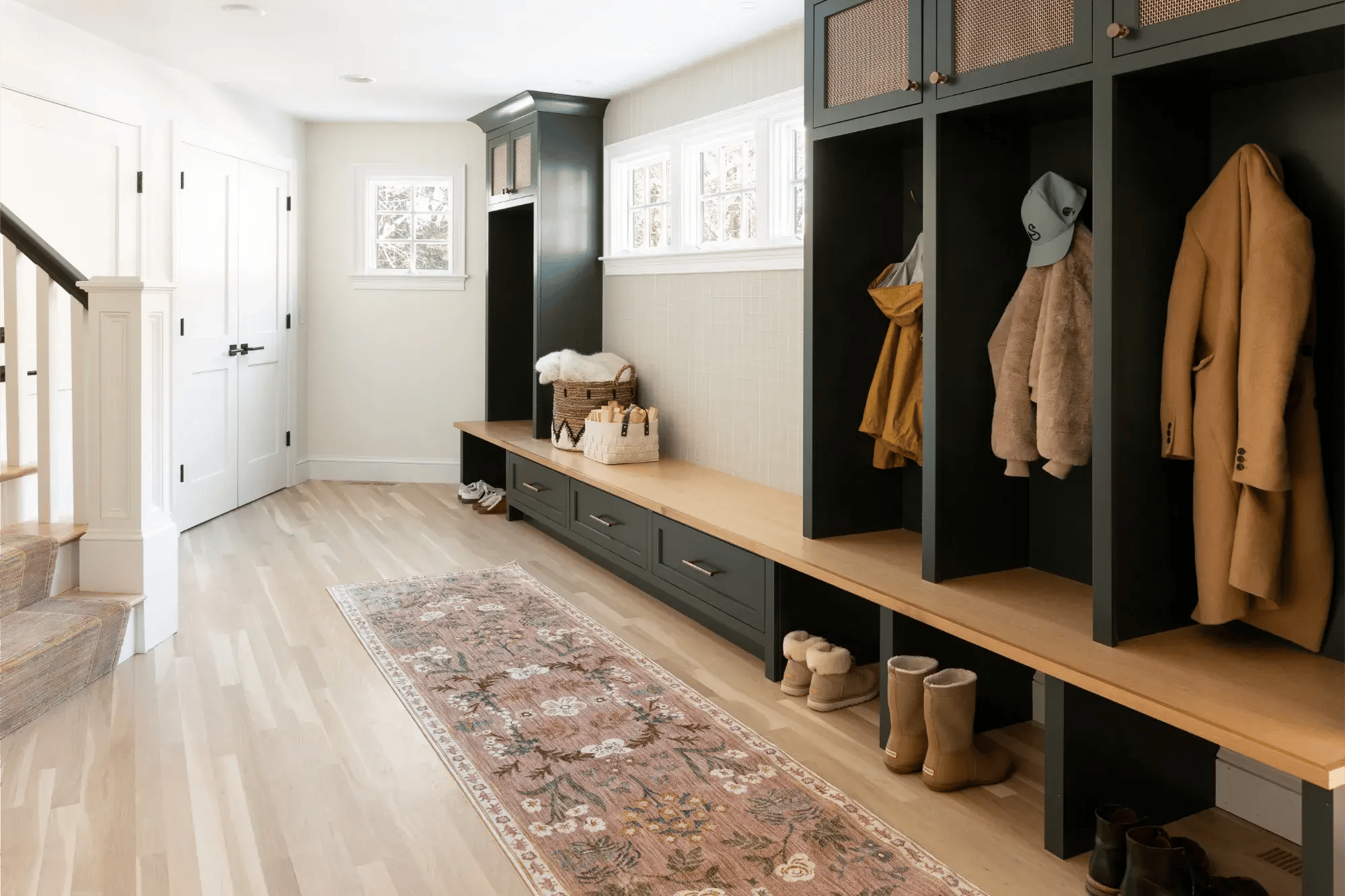
Multi-room renovations commonly combine kitchens, mudrooms, family rooms, and dining areas into more open and functional layouts. These projects frequently involve removing load-bearing walls, relocating plumbing, improving circulation, and enhancing natural light.
While not a full-home renovation, the coordination of structural, architectural, and mechanical systems can make these projects highly involved.
Kitchen Remodel
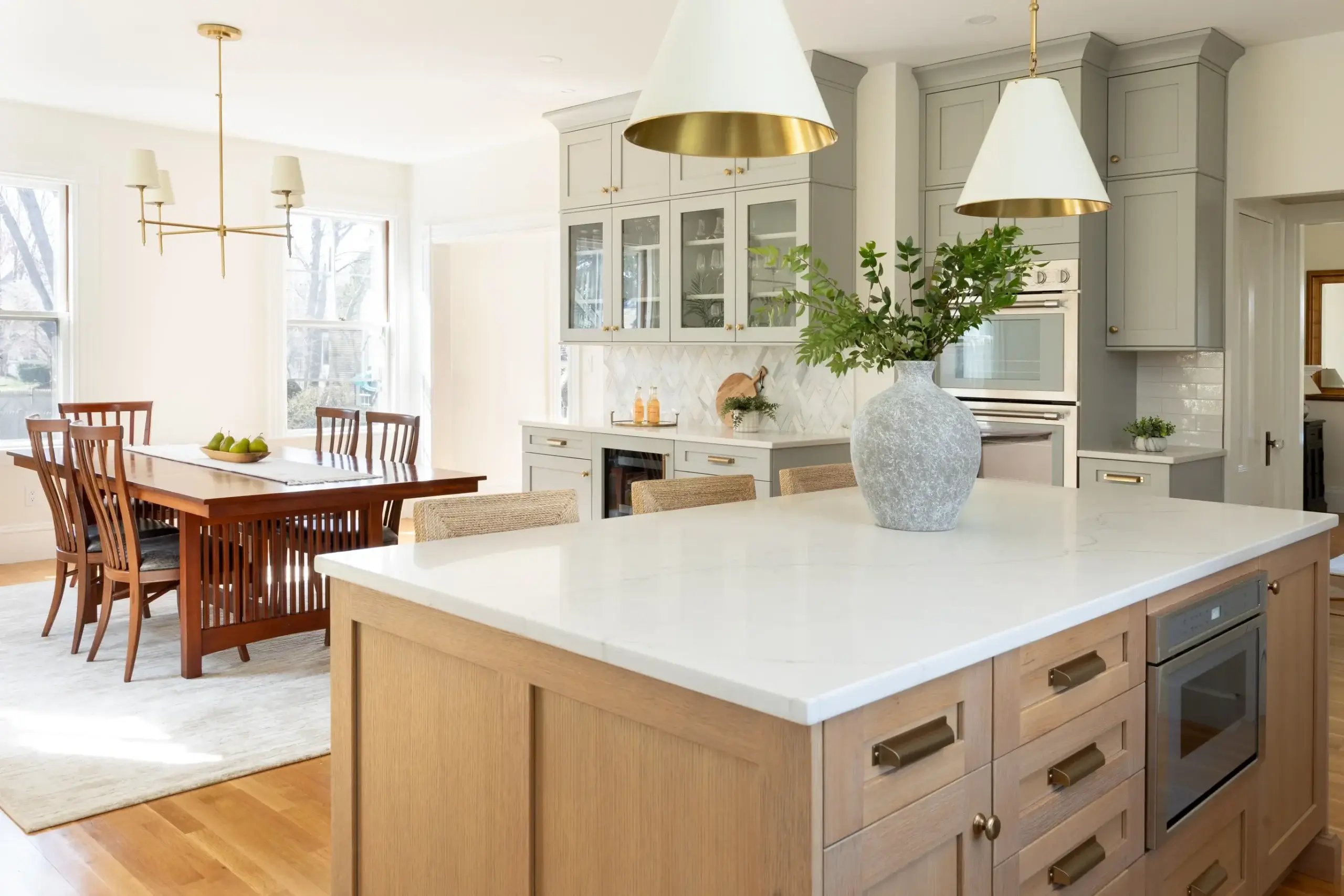
High-end kitchen remodels often involve custom cabinetry, appliance upgrades, structural opening of walls, specialty lighting, and premium surfaces such as natural stone.
Many kitchen projects in Greater Boston also include adjacent space reconfiguration to improve flow and function.
Primary Suite Remodel
Primary suite remodels may include reworking layout, expanding bathrooms, adding custom closets, and upgrading finishes to create a spa-like retreat.
Structural modifications and plumbing relocation can significantly influence final investment.
Primary Suite Addition
Second-story additions, garage-top expansions, and rear-suite extensions allow homeowners to create larger, more private retreats. These projects require structural reinforcement, architectural detailing, and careful zoning compliance.
Basement Renovation
Finished basements may include family rooms, guest suites, home offices, gyms, or entertainment areas. Structural reinforcement, waterproofing, egress requirements, and ceiling height adjustments often add complexity.
ADU (Accessory Dwelling Unit)
Detached or attached ADUs require independent utilities, code compliance, and zoning coordination. Investment depends heavily on-site conditions and intended use, whether for family living or rental purposes.
Interior Design
Interior design is integrated into our design-build process rather than treated as an afterthought. Early coordination ensures materials, layout, lighting, and architectural details align with budget and construction feasibility.
Thoughtful interior design helps prevent costly mid-project revisions and contributes significantly to the overall quality and cohesion of the finished space.
What Is the Cost Per Square Foot to Remodel in Greater Boston?
Homeowners often ask about cost per square foot. While this metric can provide a rough reference point, it does not capture the full complexity of a renovation.
In Greater Boston, high-end remodels frequently range between:
$400 – $800+ per square foot
Additions can exceed this range depending on structural requirements and finish level.
However, cost per square foot can be misleading. A kitchen renovation with premium appliances and custom cabinetry may cost more per square foot than a large open living area with simpler finishes. Structural changes and system upgrades also distort simple square-foot comparisons.
For that reason, we focus less on price per square foot and more on total project scope and investment alignment during the design phase.
Frequently Asked Questions About Design-Build Remodeling INvestment in Greater Boston
What factors influence remodeling investment in Massachusetts?
Massachusetts consistently ranks among the highest-cost construction markets in the country due to:
- Skilled labor rates
- Strict building codes and permitting processes
- Insurance and regulatory requirements
- Historic preservation standards in many communities
- High material and transportation costs
What factors can increase the investment level of a home remodel?
The biggest investment drivers typically include:
- Structural changes (removing load-bearing walls, additions, framing)
- Plumbing and electrical relocation
- High-end cabinetry and millwork
- Natural stone and specialty finishes
- Custom windows and doors
- Mechanical system upgrades
- Site constraints and limited access
Cosmetic updates are significantly less expensive than structural transformations.
Is it cheaper to remodel or build new?
In many established Greater Boston neighborhoods, remodeling is often more practical than building new due to zoning constraints, lot limitations, and demolition costs.
However, extensive structural renovations can approach new-construction pricing. The best approach depends on your home’s condition, location, and long-term goals. A feasibility evaluation during the design phase helps determine the most efficient path.
How can I keep my renovation budget aligned during a remodel?
The most effective way to protect your budget is through early design-phase planning and realistic investment expectations.
Clear scope definition, detailed specifications, and integrated cost tracking reduce mid-project surprises. In a design-build model, budgeting evolves alongside design development, not after construction begins.
Contingency planning is also an important part of a responsible renovation strategy.
How long does a design-build remodel take?
Project timelines vary by scope:
- Kitchen or primary suite remodels may take several months once construction begins.
- Additions and whole-home renovations can take significantly longer due to permitting, structural work, and complexity.
The full process, including design and permitting, often begins months before construction starts. Early planning is essential in the Greater Boston market.
When should I start planning a remodel in Greater Boston?
Most homeowners should begin planning 9–12 months before they hope to complete construction.
Design development, municipal approvals, engineering coordination, and material procurement all require lead time, particularly in Massachusetts where permitting processes can be detailed.
Do you provide cost estimates before construction begins?
Yes. During the design phase, we develop realistic cost projections that evolve as plans become more detailed. Our goal is transparency, aligning design vision with financial expectations before construction starts.
What should my first step be if I’m considering a remodel?
The first step is a consultation to discuss your goals, priorities, timeline, and investment range.
From there, we evaluate feasibility, explore conceptual design options, and begin aligning scope with budget. Early conversations provide clarity and prevent costly course corrections later.
Design-Build Remodeling Services in Greater Boston, North of Boston & Surrounding Communities
Serving homeowners throughout Greater Boston and communities north and west of Boston, Lee Kimball delivers thoughtful design, quality craftsmanship, and a seamless design-build experience.
Schedule a consultation and take the first step toward a home that truly reflects how you live.


.webp)
