

.webp)

In Greater Boston, many homes are in great locations with strong character and lasting value. Over time, though, the way a home functions can fall out of sync with how a family lives. Layouts feel closed off, storage becomes limited, and spaces no longer support everyday routines as well as they should.
A whole home remodel offers the chance to rethink how your home works and how it feels to live in it. With a clear plan and an understanding of the whole home remodeling process, getting started becomes far more manageable. This guide walks through how to start a home remodeling project, what to expect along the way, and how to approach the process with clarity.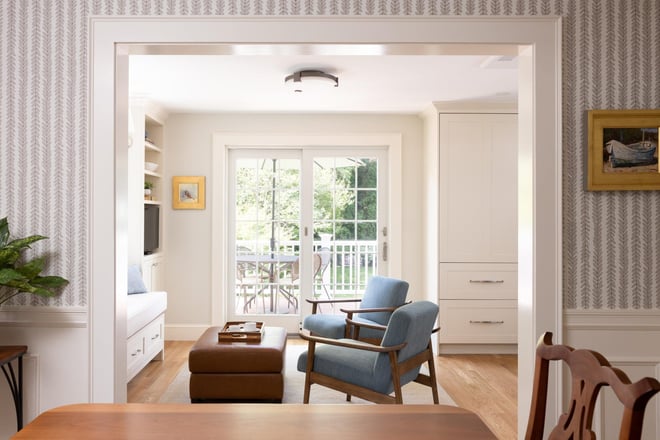
What You'll Learn
- Should You Remodel Your Home or Move?
- What Should You Do Before Starting a Home Remodel?
- Where to Start With a Home Remodel
- What Is Design Build Remodeling?
- Benefits of Design-Build
- The Typical Whole Home Remodeling Process
- Understanding the Remodeling Process Timeline
- Start Your Whole Home Remodeling Project
Should You Remodel Your Home or Move?
Before diving into the details of how to start a whole home remodel, many homeowners take a step back to evaluate their options.
In the Greater Boston area, moving is not always the most practical solution. Limited inventory, strong neighborhood ties, and the character of existing homes often make renovation the more appealing path. A well-planned home renovation in Greater Boston can significantly improve both daily living and long-term value.
In some cases, homeowners may find that expanding their existing home through a custom addition is a more effective solution than relocating, especially when they need additional space but want to remain in the neighborhood they love.
For many families, whole home remodeling in Greater Boston becomes less about fixing a house and more about creating a home that better supports their lifestyle.
What Should You Do Before Starting a Home Remodel?
A thoughtful start makes a measurable difference. If you are considering what to do before remodeling your home, focus on preparation rather than immediate action.
Here are the first steps in home renovation that set a strong foundation:
Define Your Goals
Start by identifying what is not working and what needs to change. Think about how you use your home today and how you want it to function in the future. This is a critical part of how to plan a whole home renovation.
Establish a Budget Range
You do not need exact numbers right away, but you should understand your investment range. This helps guide decisions and keeps expectations aligned throughout the home remodeling process in Greater Boston.
Gather Inspiration
Save photos, layouts, and materials that stand out to you. This helps communicate your preferences clearly during the design phase.
Prioritize Your Needs
Separate must-haves from nice-to-haves. This becomes especially important as your project progresses and decisions need to be made efficiently.
Where to Start With a Home Remodel
Once you have a general sense of your goals, the next step is understanding where to start with a home remodel.
It’s common to think the process begins with design plans or pricing. In reality, it starts with choosing the right approach. The decisions you make early about your team and process will shape everything that follows.
Start With the Right Team and Structure
A whole home renovation involves many moving parts, from layout and design to budget and construction. Trying to piece these together separately can lead to misalignment and unnecessary revisions.
For this reason, many homeowners begin by selecting a team that can guide the entire process from the start.
Why a Design-Build Approach Works Well
Working with a design-build firm in Greater Boston allows design and construction to be developed together. This creates better alignment between your vision, your budget, and what is realistically achievable.
The design-build remodeling process brings all of these elements into one coordinated effort, helping reduce surprises and keep the project moving efficiently.
A Practical First Step
If you are considering how to begin a remodeling project, a simple first step is to schedule an initial consultation.
This conversation should help clarify your goals, establish a realistic investment range, and outline what the next phase of the whole home remodeling process will look like.
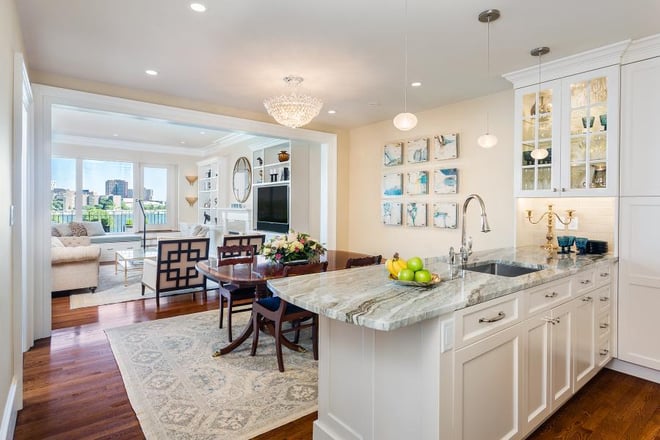
What Is Design-Build Remodeling?
At a high level, design-build means one team manages both design and construction. Instead of working with separate architects, designers, and contractors, everything is coordinated under a single process.
In a traditional approach, design is often completed first, with pricing and construction figured out later. This can lead to gaps between what is envisioned and what is feasible.
The design-build remodeling process brings these elements together from the start, allowing decisions to be made with a full understanding of how they affect the overall project.
For homeowners, that typically means:
- One point of contact throughout the project
- Clear communication as decisions are made
- Better alignment between design, budget, and construction
- Fewer unexpected changes during the build
This approach is especially valuable in the home remodeling process in Greater Boston, where projects often involve older homes, structural updates, and detailed permitting requirements.
As a result, many homeowners exploring larger renovations begin by considering design-build remodeling services as a more structured and predictable way to manage the process.
Benefits of Design-Build
There are several practical benefits of design-build, but the real value becomes clear in how the process feels as a project moves forward.
Homeowners often notice a few key differences:
- Fewer surprises during construction
Since pricing and feasibility are considered early, there is less need for major changes once construction begins. - More efficient decision-making
Questions about cost, materials, and scope can be addressed in real time, without waiting for input from separate teams. - Greater clarity throughout the process
With one team guiding the project, expectations around timeline, budget, and next steps are easier to understand. - A more cohesive end result
Design intent and construction execution stay aligned, which helps ensure the finished home reflects the original vision. - A more structured overall experience
The process tends to feel more organized and predictable, particularly in larger renovations with many moving parts.
For homeowners planning a full renovation, these advantages often play a significant role in how to start a whole home remodel and why many choose a more integrated approach.
The Typical Whole Home Remodeling Process
Understanding the Boston home remodeling process helps set expectations and makes each phase easier to navigate.
While every project is unique, most follow a similar structure. The key difference is not just the steps themselves, but how they are managed and communicated along the way.
1. Initial Consultation
The process begins with a conversation focused on your home, your goals, and how you want to live in the space.
2. Conceptual Design
Early layouts and design concepts are developed to explore what is possible.
This phase is less about final decisions and more about big-picture thinking. How should the home flow? Where can space be reconfigured? What changes will have the greatest impact?
3. Design Development and Pricing
As the design becomes more refined, details begin to take shape.
Materials, layouts, and selections are defined, while pricing is developed alongside the design. This keeps expectations aligned and allows for thoughtful adjustments before construction begins.
4. Pre-Construction Planning
Before any work starts on site, the project is fully prepared.
This includes finalizing schedules, securing permits, and coordinating all of the moving pieces required for construction. A well-organized pre-construction phase is what keeps the remodeling process timeline on track.
5. Construction
With planning complete, construction begins.
At this stage, communication becomes especially important. Regular updates, clear milestones, and ongoing coordination help ensure the project progresses smoothly and that expectations remain aligned.
6. Completion
As construction wraps up, final details are completed and the home is prepared for everyday use.
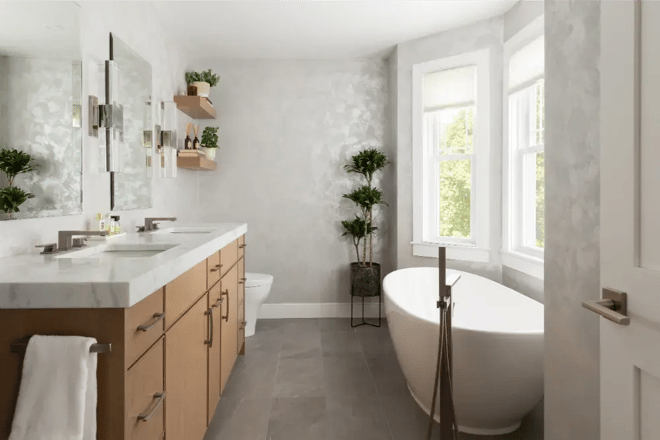
Understanding the Remodeling Process Timeline
One of the most common questions homeowners have is how long everything will take. While every project is different, having a general sense of the remodeling process timeline helps set expectations early.
For a full home renovation, the process typically unfolds in three main phases:
- Design and planning: 3 to 6 months
- Pre-construction: 1 to 2 months
- Construction: 6 to 12 months or more
These ranges can vary based on the size and complexity of the project, as well as permitting requirements and decision-making timelines.
Several factors tend to have the biggest impact on timing:
- The level of structural change involved
- The speed of design decisions and selections
- Local permitting and approvals
- Overall project scope and size
Rather than focusing on exact dates, it is more helpful to think of the timeline as a sequence of well-managed phases. When each phase is handled thoroughly, the overall project tends to move more smoothly.
Start Your Whole Home Remodeling Project with a Design-Build Firm in Greater Boston
For homeowners considering a full renovation, having the right team in place from the beginning can make the entire process more structured and far more manageable. At Lee Kimball, the focus is on guiding each project with clear communication, thoughtful planning, and a design-build approach that keeps every step aligned from start to finish.
If you are exploring how to start a home remodeling project or planning a larger renovation in Greater Boston, starting with a conversation is a practical next step. Reach out to the Lee Kimball team to discuss your goals, ask questions, and better understand what your project could look like.