If you’re considering a renovation, one of the first questions you’re likely asking is:
How long does a design-build home remodel take in Greater Boston?
The answer depends on scope, complexity, and permitting requirements, but most comprehensive remodels take longer than homeowners initially expect. That’s because remodeling is a coordinated process that includes architectural design, interior selections, municipal approvals, and carefully sequenced construction.
In the Greater Boston area, where permitting processes can be detailed and many homes are historic or structurally complex, thoughtful planning is essential. From initial consultation to final walkthrough, Lee Kimball's detailed design-build remodeling process often spans 12 to 24 months or more, depending on the size and complexity of the project.
Table of Contents
What Is the Typical Timeline for a Design-Build Remodel in Greater Boston?
While every home is unique, most design-build remodeling projects in Greater Boston follow three primary phases:
- Design & Planning
- Permitting & Approvals
- Construction
From first meeting to project completion, the full process often ranges between 12 and 24+ months.
Smaller interior remodels may fall toward the shorter end of that range, while whole-home renovations and large additions frequently extend beyond a year due to structural work, engineering coordination, and municipal review.
It’s important to understand that construction itself is only one part of the timeline. In many cases, design development and permitting together account for several months before any physical work begins. This upfront investment in planning helps prevent costly mid-project revisions and keeps construction moving more efficiently once underway.
Massachusetts-Specific Timeline Details
Remodels in Massachusetts also tend to take longer than in many other regions due to:
- Detailed permitting requirements
- Historic district reviews in certain communities
- Structural considerations in older homes
- High standards for inspection and compliance
While timelines may feel extended, this deliberate approach protects both craftsmanship and long-term value.
Explore detailed pricing information in our cost guide here.
Design & Planning (Typically 3–9+ Months)
The design and planning phase is the foundation of a successful remodel. While homeowners often focus on construction timelines, thoughtful planning is what ultimately protects budget, schedule, and overall quality.
For most projects in Greater Boston, the design phase alone typically spans three to nine months or more, depending on scope and complexity.
Initial Consultation & Feasibility (2–4 Weeks)
This phase begins with an in-home consultation to understand your goals, priorities, and investment range. We evaluate:
- Existing layout and structural conditions
- Site constraints
- Zoning considerations
- Overall feasibility
Conceptual Design (2-4 Months)
During conceptual design, our architects and designers explore layout options and structural possibilities. This may include:
- Reconfiguring interior walls
- Exploring expansion opportunities
- Evaluating second-story or garage-top additions
- Assessing mechanical system impacts
Design Development (3-6+ Months)
As the design evolves, plans become more detailed and interior selections begin to take shape. This stage often includes:
- Architectural detailing
- Engineering coordination
- Structural calculations
- Cabinetry and millwork design
- Plumbing and lighting layouts
- Interior material selections
Because Lee Kimball integrates architecture, interior design, and construction from the beginning, budget and feasibility discussions happen alongside design decisions.
Permitting in Greater Boston (Typically 1–4+ Months)
Permitting timelines in Massachusetts vary significantly by municipality, and this phase can be one of the most unpredictable parts of the process.
In Greater Boston, permitting commonly takes one to four months or longer, depending on the type of project and local requirements.
What Influences Permitting Timelines?
Several factors can extend review periods:
- Town-specific building department processes
- Zoning board approvals
- Variances (if setbacks or height restrictions are affected)
- Historic District Commission reviews
- Conservation commission approvals
- Engineering and structural review requirements
Additions and structural expansions generally require more review than interior-only remodels.
Construction Timeline by Project Type
Once design is finalized and permits are approved, construction begins.
Kitchen Remodel Timeline
Construction: 3–5 Months
Kitchen renovations often involve structural beam installation, wall removal, plumbing relocation, electrical upgrades, and custom millwork fabrication all influence duration.
Inspection scheduling, appliance lead times, and countertop fabrication also affect the timeline. Because kitchens are highly detailed spaces with layered trades, sequencing must be carefully coordinated.
Primary Suite Remodel Timeline
Construction: 2–4 Months
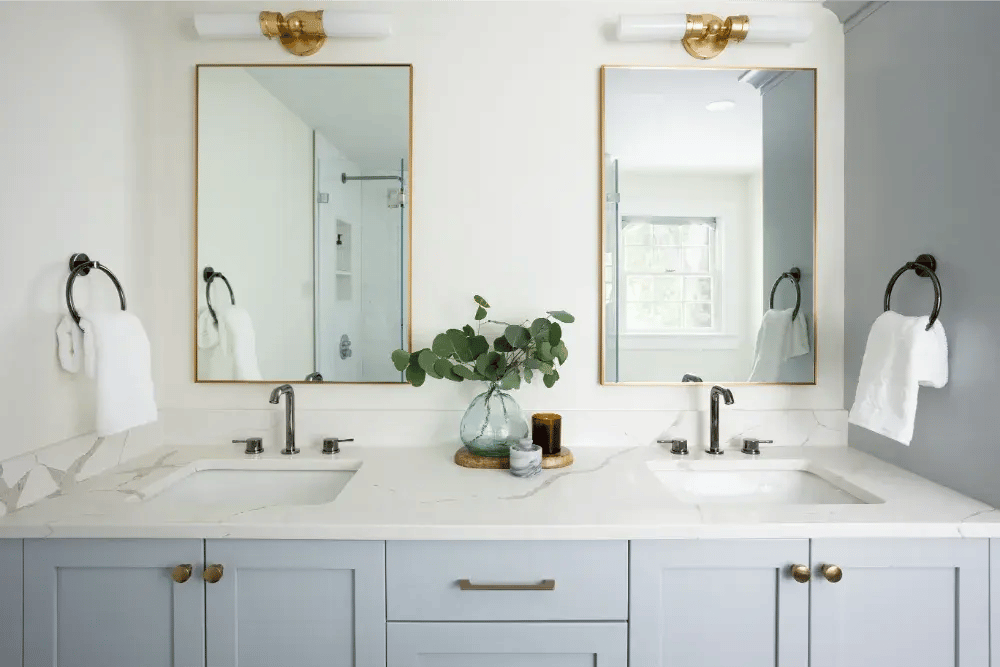
Primary suite renovations often require plumbing relocation, structural framing adjustments, tile installation, custom cabinetry, and specialty lighting.
If bathrooms are being significantly expanded or reconfigured, additional inspection cycles may extend the schedule.
Home Addition Timeline
Construction: 6–10 Months
Additions typically involve:
- Foundation excavation and concrete work
- Framing and structural integration
- Roofing and exterior envelope work
- Mechanical system expansion
- Interior finishing and detailing
Because every project is different, homeowners often benefit from understanding the planning process and key considerations involved in a custom home addition in Greater Boston before moving forward.
Weather conditions in Massachusetts can also influence schedule, particularly for exterior framing and foundation phases.
Second-story additions or garage-top expansions may extend timelines further due to structural reinforcement requirements.
Whole-Home Renovation Timeline
Construction: 6–10+ Months
Whole-home projects are the most complex. They often involve:
- Multi-phase demolition
- Structural reconfiguration
- Complete system upgrades (HVAC, electrical, plumbing)
- Coordinated interior design implementation across multiple levels
Because these projects affect the entire home, sequencing and inspections require careful planning. Larger homes or architecturally detailed properties may extend beyond one year of construction.
Basement Renovation Timeline
Construction: 3–6 Months
Basement remodels often require structural reinforcement, waterproofing improvements, and code-compliant egress installations.
Ceiling height adjustments, mechanical relocation, and moisture mitigation can add time to the process.
ADU Construction Timeline
Construction: 5-8 Months
Accessory Dwelling Units (ADUs), whether attached or detached, require independent systems, zoning review, and full structural construction.
Utility coordination and site preparation often extend timelines beyond what homeowners initially expect.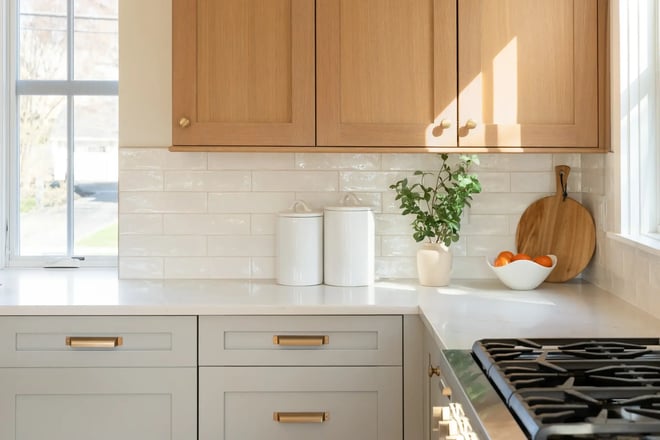
Frequently Asked Questions About Design-Build Remodel Timelines in Greater Boston
What causes remodeling delays?
Common causes include:
- Municipal permitting reviews
- Structural discoveries in older homes
- Material lead times
- Mid-project scope changes
- Weather (for exterior construction phases)
Working with an integrated design-build team helps reduce many preventable delays through coordinated planning.
Can timeline overlap between design, permitting, and construction?
In some cases, portions of the process may overlap strategically. For example, a lengthy permitting process may overlap with certain aspects of design development. That said, we work hard to finalize design details and selections in advance of construction so you can move forward with greater confidence in the construction schedule and fewer unexpected decisions along the way.
Do larger homes automatically take longer to renovate?
Not necessarily. While square footage plays a role, structural complexity and scope of reconfiguration are often more significant timeline drivers than size alone.
A smaller home undergoing major structural changes may take longer than a larger home receiving cosmetic updates.
How does decision-making impact the remodel schedule?
Timely decisions during the design phase help maintain construction momentum. Delayed material selections or mid-project scope changes can extend the schedule.
Our structured process is designed to guide clients through decisions in a clear and organized way.
Does a design-build approach reduce overall timeline risk?
While no project is immune to variables, integrating architecture, interior design, and construction within one team improves communication and reduces redesign cycles.
This alignment often results in greater schedule predictability compared to fragmented project delivery methods.
Can I live in my home during a remodel?
It depends on the scope of work.
For kitchen or primary suite remodels, some homeowners choose to remain in the home, though there may be temporary disruptions to utilities and daily routines. For whole-home renovations or large additions, temporary relocation is often more practical and can help construction progress more efficiently.
We discuss living arrangements early in the planning phase, so expectations are clear.
Does remodeling during winter in Massachusetts slow down the timeline?
Interior renovations can continue year-round. However, exterior work, such as additions, roofing, or foundation pours, may be influenced by winter weather conditions.
That said, winter construction is common in Greater Boston, and experienced teams plan accordingly to minimize seasonal delays.
When should I start planning my remodel?
We recommend beginning the conversation 9–18 months before your desired completion date, especially for additions or whole-home projects. Early planning provides flexibility and reduces schedule pressure.
If you're unsure what those first steps look like, our guide on how Greater Boston homeowners start the whole home remodeling process provides a helpful overview of planning, design, budgeting, and what to expect before construction begins.
Design-Build Remodeling in Greater Boston, North of Boston & Surrounding Communities
If you're considering a kitchen renovation, primary suite remodel, home addition, whole-home transformation, basement renovation, ADU, or integrated interior design project, our team is here to guide you through every phase from initial concept through final construction.
Schedule a consultation and take the first step toward a well-planned, beautifully executed remodel.


.webp)
