There's something about winter in New England that invites us to slow down. The days grow shorter, snow settles across the neighborhood, and we spend more time enjoying the comforts of home. It's also when we begin noticing the little things we'd love to change. Perhaps the kitchen feels crowded during family gatherings, the first floor lacks a natural flow, or you've started imagining how an addition could create more room for the people and moments that matter most. These everyday observations often become the starting point for home renovation planning.
While spring and summer often receive the most attention for construction projects, winter offers something equally valuable: time to plan with intention. For Greater Boston homeowners considering a renovation, these quieter months are an opportunity to explore possibilities, establish priorities, and begin conversations with a design-build team.

What You'll Learn
Why Winter Is an Ideal Time for Home Renovation Planning
The best renovations aren't rushed. They're thoughtfully designed around the people who will experience them every day.
That's what makes winter home renovation planning so valuable. Spending more time indoors offers a clearer perspective on how your home functions and where improvements could make everyday life more enjoyable.
Perhaps you've noticed:
- A kitchen that feels disconnected: Family and friends naturally gather there, but the layout makes entertaining difficult.
- Living spaces that no longer fit: Your family has grown, your routines have changed, or certain rooms simply aren't being used.
- A need for more space: A thoughtfully designed addition could create a welcoming family room, a dedicated home office, or a more comfortable primary suite.
- An opportunity to improve the flow: Opening up adjoining rooms could bring more natural light and create a stronger connection between living spaces.
Rather than waiting until warmer weather to begin planning a home renovation, winter gives you time to consider these possibilities without rushing important decisions.
1. Start With How You Want to Live
Before reviewing floor plans or selecting finishes, consider a more personal question: How do you want your home to feel?
When planning a home remodel, start by identifying what matters most:
- Daily routines: Which spaces work beautifully, and which create frustration?
- Family connections: Where do people gather, and where would additional space make a difference?
- Personal style: What architectural details, materials, and finishes feel timeless to you?
- Future needs: How might your lifestyle evolve over the next five to ten years?
These conversations help establish the foundation for a thoughtful design.
For homeowners exploring home remodeling in Greater Boston, this approach is particularly meaningful. Many established homes throughout Reading, Winchester, Lexington, Newton, and surrounding communities offer distinctive architectural character worth preserving.
The goal isn't necessarily to change everything. It's to understand what makes your home special and build upon it with intention.
2. Explore the Possibilities Before Settling on a Design
One of the most exciting parts of home renovation planning is discovering opportunities you may not have considered.
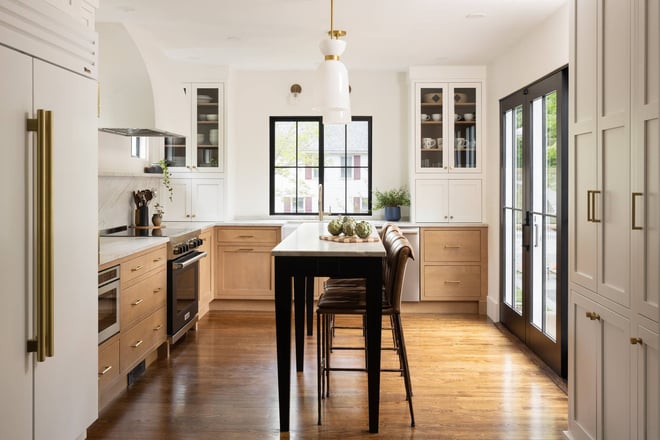
A kitchen renovation might begin with the desire for more storage and counter space. But as the conversation develops, you may realize that opening the kitchen to an adjoining dining room could completely transform how the first floor functions.
During the early stages of planning, consider exploring:
- Whole-home renovations: Reimagining multiple spaces to create a cohesive design and improved functionality.
- Home additions: Expanding your living space while maintaining the character of your existing home.
- Multi-room renovations: Connecting kitchens, dining rooms, living areas, and other spaces to better support daily life.
- Kitchen remodeling: Creating a beautiful, functional gathering place designed around the way your family lives.
At Lee Kimball, we believe great design begins with understanding the people behind the project. Our approach to Greater Boston design-build remodeling brings architectural expertise, interior design, and craftsmanship together to create spaces that feel personal, purposeful, and enduring.
Winter provides the breathing room to explore those possibilities before making final decisions.
3. Establish a Thoughtful Budget Early
One of the most important steps in home renovation planning in Massachusetts is understanding your investment and how it relates to your goals.
Rather than beginning with a list of finishes or individual upgrades, start by identifying your priorities. What changes would make the greatest difference in your daily life? Which improvements are essential, and where might there be flexibility?
Several factors influence the overall investment required for a renovation:
- Project scope: The size of the renovation and whether it involves structural changes.
- Existing conditions: The age and condition of your home, including mechanical and structural systems.
- Design details: Custom cabinetry, architectural features, premium materials, and specialized finishes.
- Permitting and approvals: Local requirements that may affect the design and construction process.
An experienced design-build team can help you explore these considerations while developing a plan that aligns with your priorities.
4. Understand the Design-Build Process Before Construction Begins
When homeowners begin researching design-build remodeling in Boston, they sometimes imagine moving directly from an initial consultation into construction.
In reality, a thoughtfully executed renovation involves several important stages before work begins on-site.
Here's what that journey typically involves:
- In-home consultation: We learn about your goals, explore your existing spaces, and discuss the possibilities for your home.
- Conceptual design: Our team develops initial design concepts informed by your priorities, existing home, and investment goals.
- Design development: Plans are refined, design decisions are finalized, and project pricing is established.
- Pre-construction planning: Following the construction agreement, we review schedules, detailed plans, and introduce you to your construction team.
- Construction and completion: Your renovation takes shape with ongoing communication, collaboration, and attention to detail.
This coordinated approach is particularly valuable for larger additions, multi-room renovations, and whole-home transformations.
Rather than treating design and construction as separate experiences, the design-build process allows them to inform one another from the beginning.
5. Allow Time for Permits, Materials, and Important Details
One of the biggest advantages of starting your Greater Boston home renovation planning during winter is having time to work through the details that shape the project.
Depending on the renovation, architectural drawings may need to be refined, structural considerations may require engineering input, and local permits or approvals may be necessary.
Material selections also deserve thoughtful attention. Custom cabinetry, flooring, fixtures, tile, and lighting all contribute to the finished space, and certain products may require longer ordering or production timelines.
For homeowners considering Boston home remodeling, local requirements can vary by municipality and project scope. A renovation in Winchester may involve different considerations than a project in Newton, Lexington, or a historic Boston neighborhood.
Beginning early creates opportunities to:
- Review architectural and structural requirements.
- Understand local permitting considerations.
- Explore and refine material selections.
- Account for specialty products and potential lead times.
- Develop a realistic construction schedule.
Early planning won't eliminate every unexpected challenge, particularly in older homes, but it can help create a clearer path forward.

6. Think Beyond the Seasons: When Is the Best Time to Renovate a House?
It's natural to associate remodeling with spring and summer. Longer days and warmer temperatures can make certain construction activities more convenient, particularly exterior work.
But the best time to renovate a house depends on the scope of the project, the construction schedule, and your family's needs.
Instead, think about two separate milestones:
- When would you like to begin the design process? This includes exploring ideas, developing plans, and establishing your investment.
- When would you ideally like construction to begin? This depends on the completed design, permitting, material availability, and scheduling.
For homeowners wondering when to start planning a home renovation, working backward from a desired construction timeframe can be helpful.
A family hoping to begin construction in late summer, for example, may benefit from starting design conversations during the preceding winter. More extensive projects may require an even longer planning period.
7. Consider Whether Renovating Is Right for Your Future
Throughout Greater Boston, many homeowners face an important decision: Should we renovate our current home or move?
If you love where you live but your home no longer meets your needs, a renovation may offer an opportunity to create a better fit without leaving the life you've built.
A thoughtfully designed addition could provide more room for family gatherings. A reimagined first floor could improve flow and functionality. A whole-home renovation could introduce new comfort and timeless design while preserving the character you love.
Of course, renovating isn't automatically the right choice for every homeowner. Your decision should consider your long-term goals, budget, existing home's condition, and how you envision living there in the years ahead.
Winter offers a wonderful opportunity to explore these questions before committing to a particular direction.
A More Beautiful Home Begins With a Thoughtful Plan
For more than 85 years, Lee Kimball has helped Greater Boston homeowners bring thoughtful design and enduring craftsmanship together, creating spaces that reflect the lives lived within them.
If you've been imagining what's next for your home, winter is a wonderful time to begin the conversation.
Connect with Lee Kimball to explore the possibilities for your home.


